DIY: LISA GOURLEY, SCENE PHOTOGRAPHER
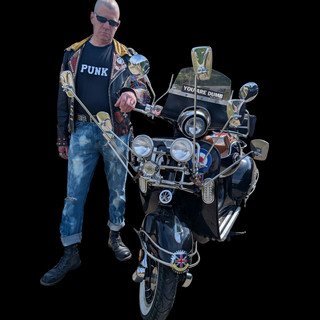
Ronnie Rocker

Lisa Gourley was an armature photographer in the Providence, Rhode Island punk and underground music scene. She started out with a camera and a love for music, punk, and the club scene in the city. That was it. She showed up all the time and took pictures. From there her photography skills grew, along with her number of cameras and video equipment. She started out small, a novice, and became a professional.
Local shows became a success by bands if Lisa Gourley was in attendance. Even if no one else was there, having Lisa at the front of the stage using multiple cameras to photograph and take video made for a great night with plenty of footage to share. Lisa has documented the highs and lows of the RI music scene. There are few people that she doesn’t know, and she is well-respected by the community, and she was my friend.
Lisa Gourley (Sometimes Lisa Gourleyx) passed away on June 15, 2026. The number of reactions on social media was amazing. Friends, bands, clubs, and music magazines all talked about her and wrote about her. She was a local celebrity in our small little city.
What Lisa Did was take her love of the scene and photography and turned them into something. She photographed the bands, she photographed the people, she photographed me. She gave her photos to the bands, the people she photographed, and freely. To my knowledge she never charged for her work. It was free to the scene she loved. That says something. It wasn’t for profit, it was for the love of it all.
THE PEOPLE BEHIND THE CAMERA
Most club photographers focus on the bands. Lisa focused on the kids, people, in the clubs too. That made her work special. The scene has always been much bigger than the bands. She was documenting the scene. Documenting the scene is important. Scenes change. Scenes fade. Scenes disappear. Lisa’s record of that scene documented the good, the bad, and the ugly. That’s important. She showed all aspects of the scene. The bands, the drunks, the kids having fun, and the fights. It’s all there to be seen in photographic evidence.
Lisa wasn’t the only one doing this, there were others. But Lisa was visible and always there. Showing up is important. That’s why you need to show up. You need to document the scene. Today we all have cameras in our pockets, yeah that smart phone. I don’t think that’s enough, but it’s something. I think you need a camera, a real 35mm camera to really do it right.
You don't need a $5,000 camera. You don't need a photography degree. You don't need a press pass. You don't need to call yourself a photographer. You need something that takes pictures and the willingness to use it. If you love photography, take it to the show or what ever punk event is going on. Take picture of everything. The bands, the people, the stupid shit going on. Document it and share it. The important thing is that somebody documents what's happening.
GIVE IT BACK TO THE SCENE
Lisa gave it back for free. That key. She was part of the scene and so are you so use your work for that scene. Give it to the bands to use. Give it to the guy who make the zine or website. Give it to the people you take picture of. This builds connections, it builds the scene. DIY scene photography is also be about contributing something.
Photograph the shitty little first show with 23 people in the room. Photograph the new band playing their first set. Photograph the punk flea market. Photograph the picnic. Photograph the kid selling their first zine. Photograph the 56-year-old punk talking to the 17-year-old punk. Photograph the people who aren't onstage, because here's something I've learned: You don't always know what's important while it's happening. Sometimes it's just another Sunday afternoon, until thirty years later, then you would give almost anything to have one more photograph of it.
SAVE AND PRINT
It’s not enough to have a bunch of digital files, you need to save them, back them up, and make fucking prints! Put them on the internet where they can last forever, hopefully. Saving and publishing your photographs is key. Personally I have lost a lot of my old photographs, they were damaged or lost. I’ll tell you this, if you asked Lisa for a photo from July 1991, she knew where it was and would get it to you in a few days. That’s important too. Having everything documented, saved (in multiple places), and being able to produce a thirty year old image for someone. If you are 17 now you have no idea who might ask you for a thirty-year-old photo when you are 47. That’s just how it is.
YOU ARE PART OF THE SCENE
There's another thing I want younger punks to understand. You don't need to be in a band to matter. A scene needs bands, but it also needs photographers. Lisa showed up, again and again, with camera in hand. She photographed the people and bands around her and gave those photographs back to them. At the time, maybe it just seemed like Lisa taking pictures again. Now those photographs are something else. She showed the scene in its good and bad. She showed it to us through her lens. You can do that too.
So, here's the DIY lesson: Bring a camera, take too many pictures, photograph everybody. Then write down their names. Save all the files and share the pictures. Document your friends, the bands, the clubs, document your scene. Someday somebody is going to be really fucking glad you did.
Thanks, Lisa.


Comments